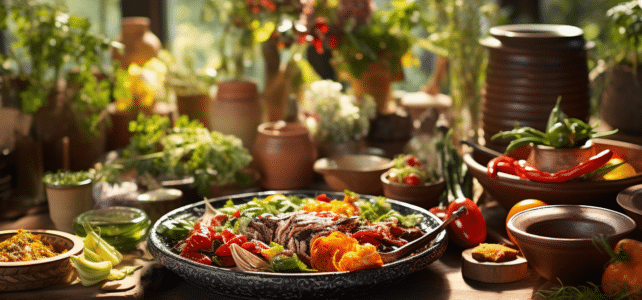
Culinary trends are constantly evolving, capturing the essence of innovation and creativity from chefs around the world. By exploring bold flavor combinations and integrating niche ingredients, these trends offer a renewed gastronomic experience. From indulgent vegetarian dishes to reimagined ancient fermentation techniques, and the adoption of superfoods in traditional recipes, these innovations promise to stimulate your senses. The influence of sustainability and conscious eating is also reflected in these movements, with an emphasis on local and seasonal products, thus redefining our way of consuming.
The Flavor Revolution: Between Tradition and Innovation
New culinary trends are part of a dynamic of perpetual renewal, where local flavors meet the boldness of world cuisines. Culinary innovation no longer just experiments; it now weaves unbreakable ties with traditional dishes, offering a fusion cuisine that both astonishes and delights. The cobette, this miniature corn of incomparable delicacy, once relegated to marginal uses, has thus become the symbol of this trend: a local and seasonal product that, when roasted, grilled, or integrated into more complex preparations, surprises with its ability to blend with foreign influences.
Related reading : The Latest Fashion Trends to Elevate Your Everyday Style
At the heart of this revolution is also an increased awareness of environmental issues, which drives consumers towards local and seasonal products. These are increasingly sought after and highlighted by chefs, eager to meet a demand for quality and freshness. Cooking becomes a means of sharing, a way to discover new flavors, while remaining rooted in an ethical and responsible approach. Traceability and the origin of products have become selective criteria in menu development.
World cuisines continue to spread thanks to globalization, captivating European palates with a touch of exoticism that enriches the culinary experience. Vegetarian and vegan cuisine, booming, offers a response to environmental and ethical concerns with meat-free and animal product-free dishes that rival in creativity. The ‘homemade’ trend is also experiencing unprecedented enthusiasm, valuing easy-to-make recipes at home, with fresh products, thus combining the pleasure of cooking with that of eating healthy and tasty.
Further reading : How to Incorporate Nautical Fashion Trends into Your Daily Lifestyle

New Culinary Practices: Health and Technology on the Menu
The relentless quest for healthy foods and sustainable agriculture is accompanied by an increasingly strong desire to adopt a responsible diet. In response to this demand, culinary professionals do not hesitate to rethink their methods and integrate environmentally and health-conscious practices. They prioritize ingredients with a reduced ecological footprint and proven nutritional benefits, contributing to a profound transformation of the food industry. This shift is reflected in the promotion of short supply chains, organic labels, and products from agroecology.
At the same time, high-tech cuisine opens up unsuspected horizons thanks to the latest technological innovations. 3D food printing, for example, allows for the design of dishes with innovative shapes and textures, paving the way for limitless creativity while optimizing resource use. Vacuum cooking, for its part, ensures unparalleled precision and optimal preservation of flavors and nutritional qualities of foods, thus meeting a dual demand for taste and well-being.
The synergy between technology and cooking is also illustrated by the emergence of applications and connected devices that facilitate access to a balanced diet. Preparation assistance tools, sensors analyzing product quality, and platforms for sharing healthy recipes are all innovations that fit into a dynamic of transparency and education. Technological innovation thus serves a conscious culinary art, where ethics meets the pleasure of the senses.