
The concept of a cocoon applied to the home goes far beyond decoration. It touches on light, materials, air quality, and how each room meets the physiological needs of its occupants. Since the 2023 update of the Energy Performance Diagnosis, work that improves thermal and light comfort is more highly valued in the DPE score.
Transforming your home into a cocoon of well-being means taking concrete actions, not just accumulating objects.
Natural light and appropriate lighting: the most underestimated lever
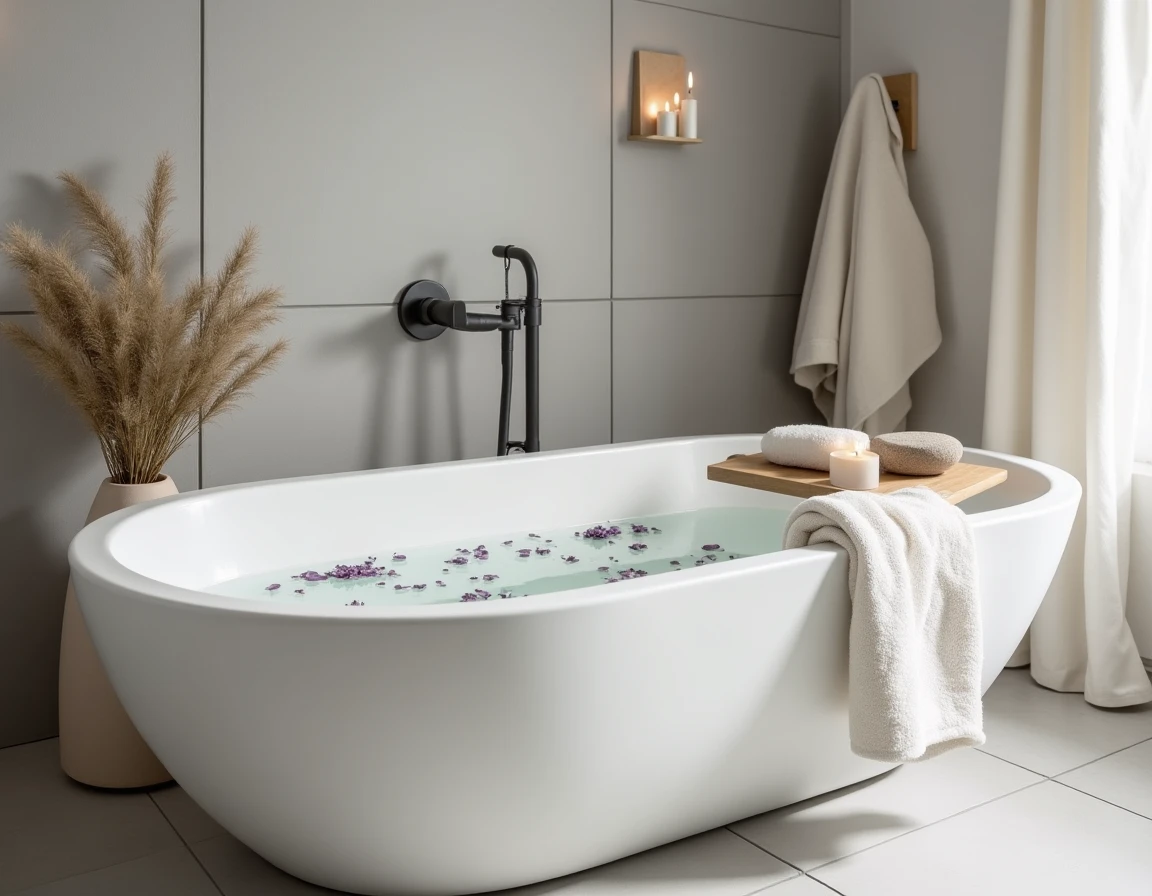
Light influences mood, sleep, and concentration. Before buying any light fixture, one must observe how natural light enters each room throughout the day. A thick curtain that seemed innocuous can significantly reduce the light intake in a north-facing living room.
For less exposed rooms, a mirror placed opposite the window redistributes brightness without any renovation. Warm indirect lighting is a great alternative to a central ceiling light, which often creates a cold and flat atmosphere. Table lamps, LED strips behind furniture, adjustable wall sconces: the multiplication of low light sources allows for modulation of the atmosphere according to the moment.
Data published in 2024 by ADEME confirms a marked increase in sales of connected light fixtures designed to adapt the color temperature to mood and time of day. It’s no longer a gadget: controlling light through home automation directly contributes to emotional comfort indoors.
To delve deeper into these room-by-room layout questions, one can rely on the home advice from Vivez Décorez, which addresses both material choices and space organization.
Materials and textures on the floor and walls: what truly changes the cocooning atmosphere
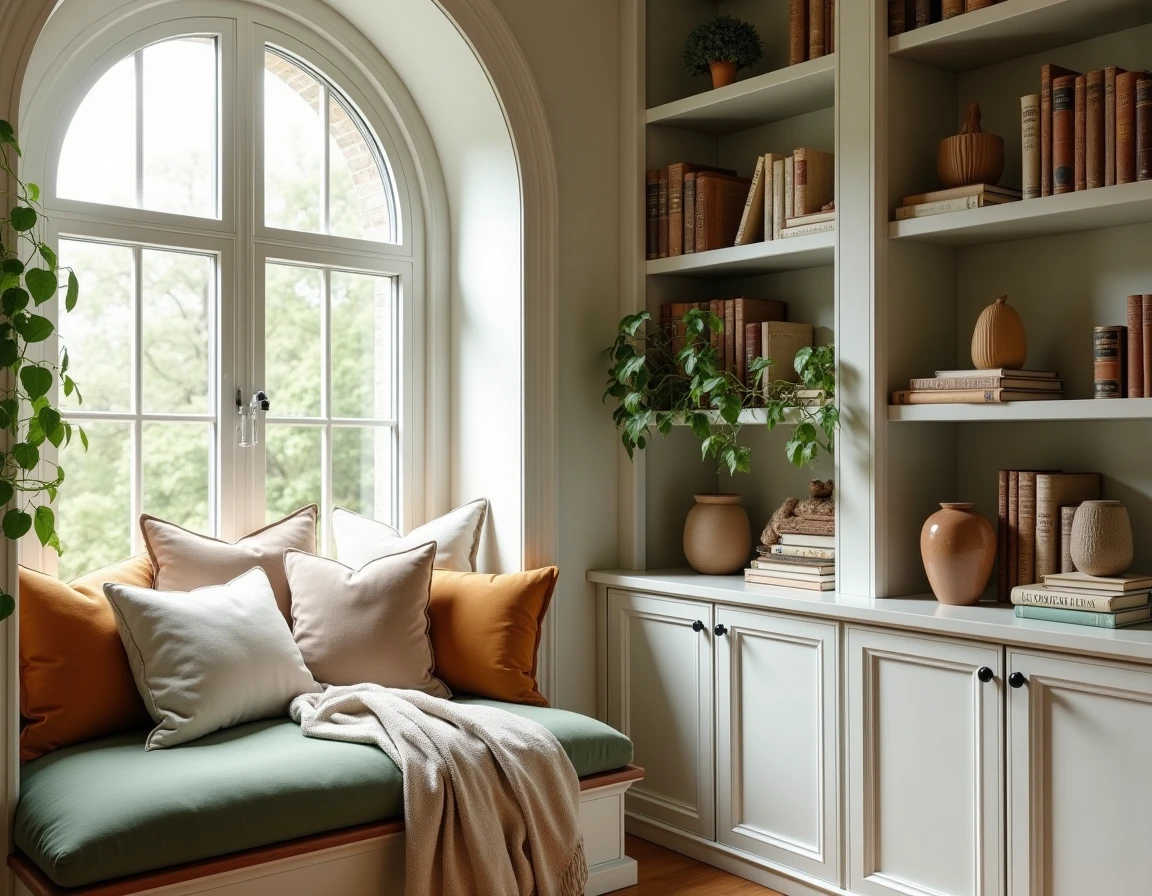
Colors capture all the attention in decor guides, while it is the materials that create the physical sensation of comfort. A wall painted in off-white in a fully tiled room will never produce the same impression as an identical wall in a bedroom dressed in wood and linen.
Favor raw and imperfect materials
Wood, washed linen, boucle wool, and terracotta share a common point: they age well and gain character over time. In contrast, smooth and shiny surfaces (lacquered, smoked glass, high-gloss laminate) reflect light aggressively and give a feeling of coldness.
On the floor, a thick wool rug placed under the coffee table or at the foot of the bed transforms the thermal perception of an entire room. It’s not just an aesthetic question: walking barefoot on a soft surface in the morning changes the entry into the day.
Layering without overloading
The layering of textile layers (throw on the sofa, cushions of different sizes, lined curtains) creates a wrapping effect. Two rules help avoid chaotic accumulation:
- Stick to a palette of a maximum of three shades per room, varying textures rather than colors
- Alternate densities: a corduroy cushion next to a raw linen cushion creates a tactile contrast without visual conflict
- Wash and renew textiles regularly, as a fuzzy throw loses its cocooning effect as soon as it looks worn or dirty
Air quality and connection to nature: the forgotten angle of indoor well-being
There is much talk about decoration, but rarely about what we breathe. Indoor air is often more polluted than outdoor air, particularly due to volatile organic compounds emitted by new furniture, paints, and cleaning products.
Ventilating each room for ten minutes a day remains the most effective gesture, even in winter. For homes in dense urban areas where opening windows is not always pleasant, air-purifying plants (pothos, peace lily, Boston fern) provide an additional benefit, even if their filtration capacity alone is not enough to purify an entire volume.
Research from the International Association of People-Environment Studies documents a broader effect: the integration of views of nature reduces perceived stress and improves concentration, even when it comes to photos of landscapes or green walls. Placing a large image of a forest in a windowless office or installing a few green plants on a shelf produces a measurable effect on perceived well-being.
Separating functions in a small space: the key to mental comfort
The survey “Teleworking and Living Conditions” conducted by Santé publique France shows that people who have created a clearly separated work space, even symbolically, report better psychological balance. A screen, a change in flooring, or simply a different orientation of the desk is enough to mark the boundary between activity and rest.
This principle applies beyond teleworking. In a bedroom, mixing the sleeping area with a sports or office corner muddles the signals sent to the brain. The bed should be associated solely with rest. In a living room, distinguishing a reading nook (armchair, lamp, small bookshelf) from a conversation area (sofa, coffee table) gives each activity a spatial anchor.
There is a strong temptation to optimize every square meter by stacking functions. Field feedback varies on this point, but one constant remains: a space that does fewer things but does them well provides more serenity than a multifunctional room saturated with furniture.
Transforming your home into a cocoon of well-being does not require an unlimited budget or a complete renovation. Working on light, choosing materials that age well, caring for the air we breathe, and assigning a clear function to each area already covers most of the journey. The rest is a matter of personal adjustment, room by room, season after season.