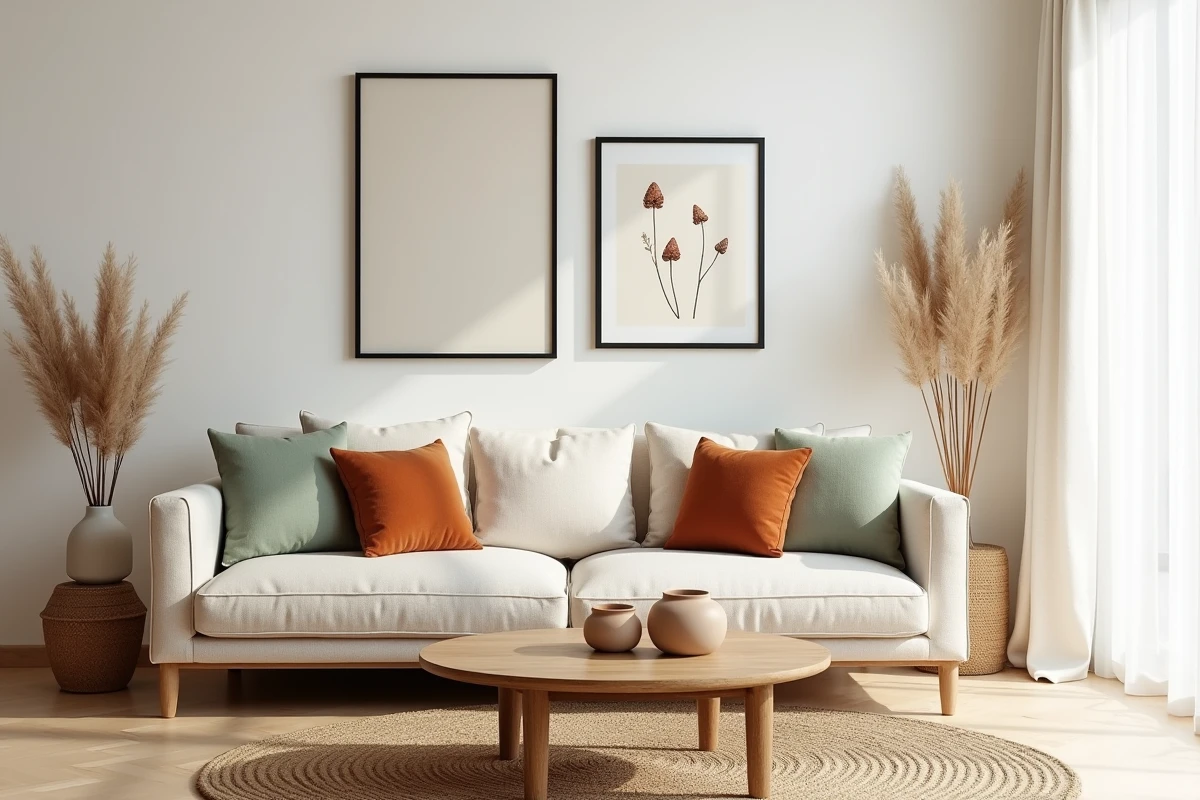
Interior decoration is based on a simple principle: modifying a few targeted elements is enough to radically change the atmosphere of a room. The latest decor trends favor quick, reversible interventions that fit moderate budgets, far from heavy renovations that require weeks of work.
Washable and reversible paints: the technical foundation of modular decor
Before choosing a color or style, the very nature of the paint used determines the ease of future transformation. Manufacturers like Dulux Valentine and Tollens have expanded their ranges of washable multi-support paints since 2023-2024, designed to be repainted regularly without heavy undercoating.
This type of product resists friction in high-traffic areas (hallways, entrances) and is easy to clean. For renters, this technical feature changes the game: repainting an accent wall at the end of a lease becomes a light operation. Publications available on newsdeco.com regularly detail the new ranges and their technical specifications.
Choosing an appropriate paint precedes any aesthetic decision. A wall treated with a cheap conventional product will require sanding and an undercoat before each color change, whereas a washable formulation can directly accept a new color.
Micro-renovation in a weekend: transforming a room without major work
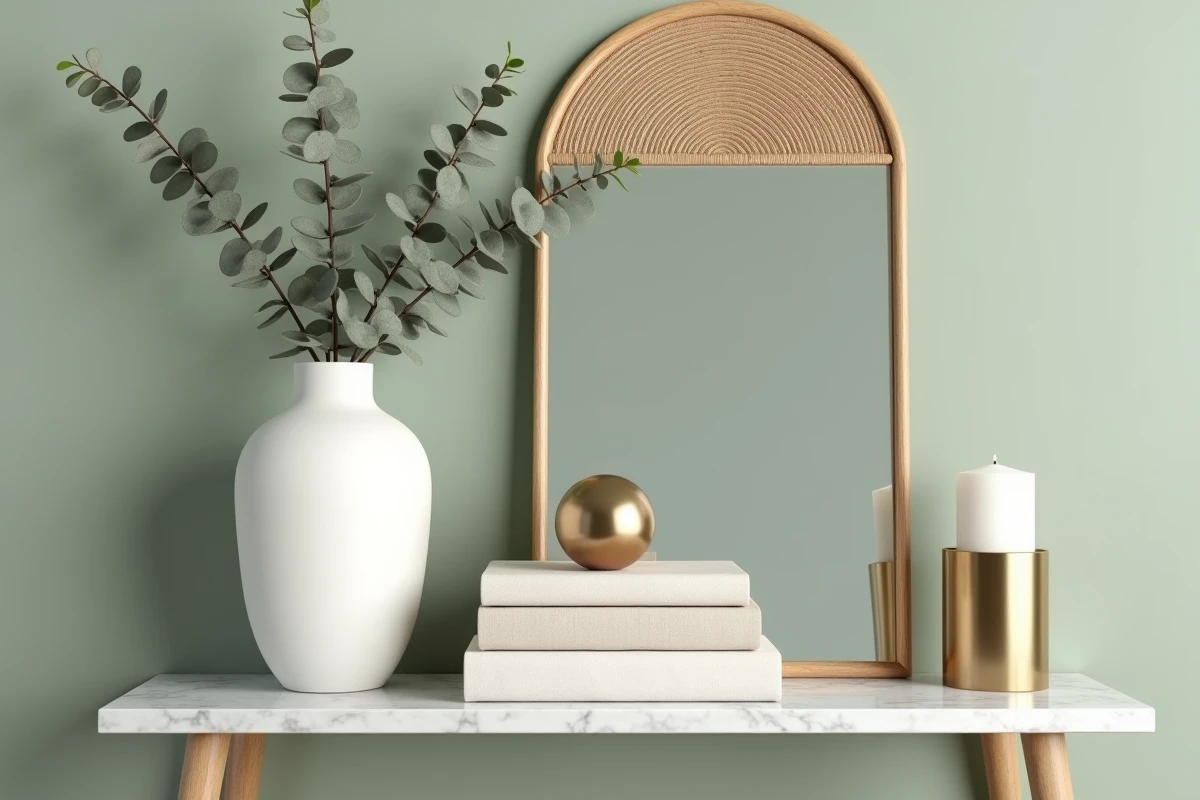
Since 2024, DIY stores like Castorama and Leroy Merlin have structured editorial guides around a specific format: one weekend to transform an entire room. The principle is based on short interventions, with ready-to-use shopping lists and timed step-by-step instructions.
The most effective operations in terms of effort/result ratio focus on a few actions:
- Painting a single wall in a contrasting shade to create a focal point, rather than treating all four walls at once
- Installing click PVC tiles over an old floor without removing the existing covering, eliminating the time for removal and leveling
- Replacing a kitchen backsplash with a repositionable adhesive model, an intervention that takes a few hours and requires no specialized tools
- Updating closet or kitchen doors with melamine paint, without disassembly
The guiding idea is not to redo everything, but to identify the single element that visually drags the room down and address it as a priority. An old laminate countertop covered with a wood-effect adhesive film can be enough to modernize a dated kitchen.
Colors and materials that define the current decor trend
Color palettes have shifted towards earthy and warm shades: terracotta, ochre, sage green. These tones work particularly well in a living room or bedroom because they absorb light without darkening the space. A sage green wall in a north-facing room corrects the natural coldness of the light.
Raw materials like wood, stone, and linen dominate current interiors. This orientation is not solely aesthetic: linen for curtains and bedding naturally regulates ambient humidity, improving comfort in poorly ventilated rooms.
Combining materials without falling into the total look
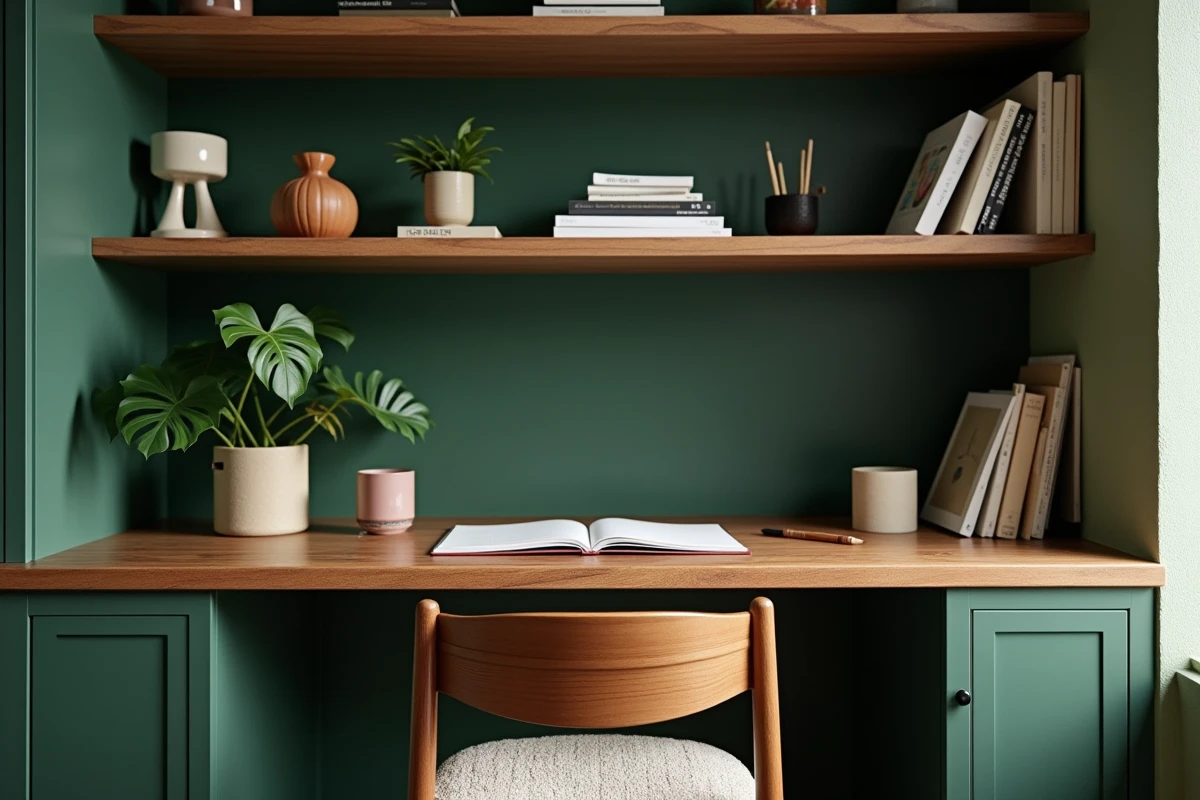
A common pitfall is accumulating natural materials until achieving a monotonous interior. Mixing a raw linen sofa with a black metal coffee table or a smoked glass light fixture creates a contrast that prevents the room from appearing bland.
Textiles remain the most accessible decoration lever. Changing cushions, throws, and curtains alters the ambiance of a living room for a limited cost. Opt for removable and washable covers to alternate styles throughout the seasons.
Craftsmanship and unique pieces: personalizing without overloading
The trend towards handmade and craftsmanship is not limited to a taste for authenticity. A handcrafted ceramic piece on a shelf or a vintage mirror found at a flea market brings a visual irregularity that industrial objects do not replicate. This deliberate asymmetry adds character to a space.
The operating principle is that of the focal piece: a single strong object per visual area. In a living room, a large stoneware vase placed on the floor near the sofa is sufficient. Adding three other handcrafted objects on the same shelf dilutes the effect rather than reinforcing it.
Flea markets and second-hand as sources of decor inspiration
Second-hand furniture has a rarely mentioned technical advantage: its solid wood (oak, walnut, cherry) accepts sanding and a new finish much better than the particle board of entry-level new furniture. A 1960s buffet sanded and waxed with a dark tinted product fits seamlessly into a contemporary interior.
An old piece of furniture that has been refurbished often costs less than a new piece of comparable quality, while offering superior durability. The mortise and tenon structure of solid wood furniture withstands decades of use, whereas a dowel and glue assembly will give way more quickly.
Transforming an interior does not depend on the allocated budget but on the precision of choices. A wall repainted in the right shade, a textile replaced, a well-placed artisanal object: these three combined actions produce a more coherent result than a complete furniture renewal carried out without prior reflection.