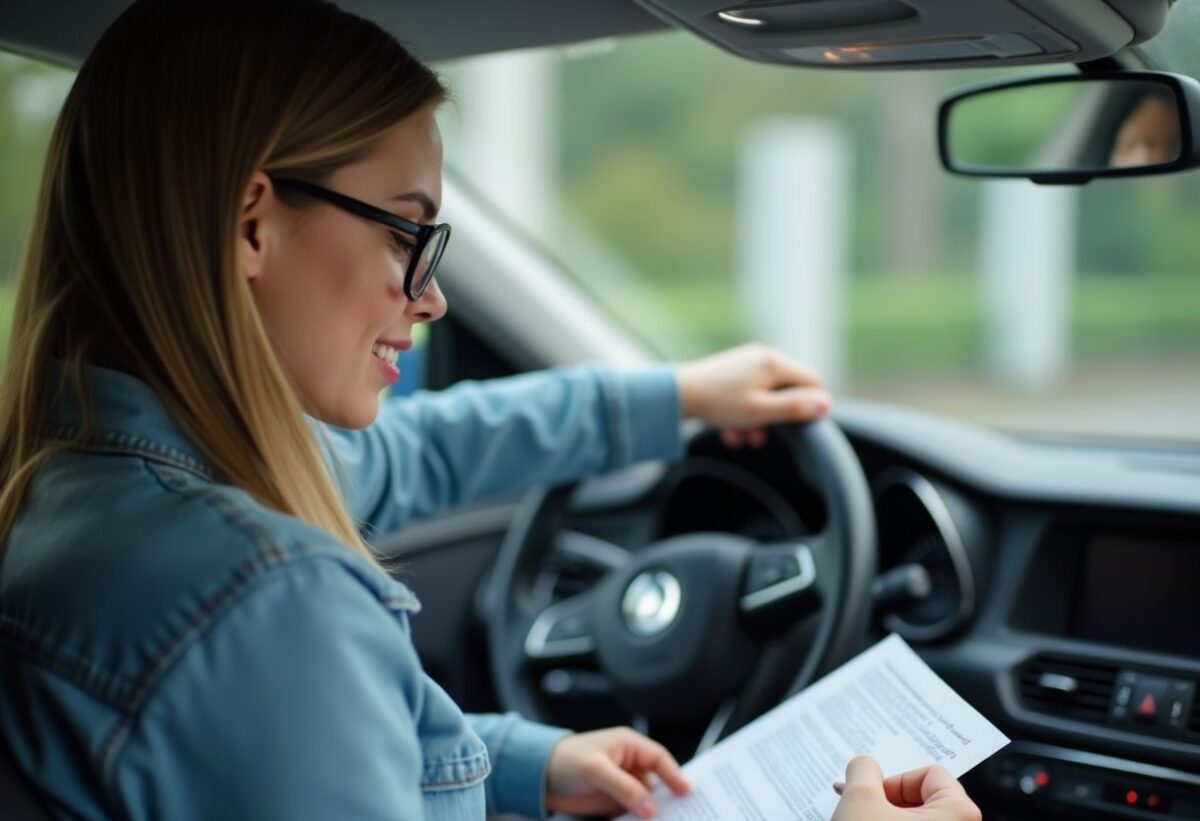
Obtaining a driver’s license is often seen as an important step toward independence. However, for some people, this journey is fraught with obstacles, especially when the question of the psychotechnical test comes into play. This test, although sometimes dreaded, is crucial for ensuring the safety of everyone on the roads. It assesses essential driving skills such as reaction time, spatial perception, and the ability to make quick decisions. For those who must take it, understanding its stakes and process is essential.
The psychotechnical test: what is it?
The psychotechnical test for the license, often misunderstood, is an examination aimed at evaluating an individual’s mental and psychological capabilities. But what does it really measure?
It consists of several tasks designed to test specific skills: coordination, memory, concentration, and reaction speed. These skills are vital to ensure that the driver reacts appropriately to stressful or emergency situations on the road. These tests are generally taken at accredited centers and supervised by professionals.
The results of this test directly influence an individual’s ability to regain their license. It thus becomes essential to understand every aspect of this examination to better prepare for it. In countries where it is mandatory after a license withdrawal, it is seen as a means to rehabilitate drivers who have shown flaws in their driving behavior.
Why and when should you take the psychotechnical test?
Understanding the circumstances that lead to this examination is as important as the test itself. There are several situations where taking this test is required.
- After a license suspension, often following a serious or repeated offense, the psychotechnical test is a mandatory step.
- In case of medical unfitness, a doctor may recommend this examination to verify the driver’s capabilities.
- For seniors, some countries implement this test to ensure that driving abilities are not impaired by age.
Each of these situations reflects a particular concern for road safety. The test thus becomes an indispensable tool for reassessing and, if necessary, restricting an individual’s ability to drive.
How to effectively prepare for the psychotechnical test?
Preparing for this examination requires not only an understanding of the expectations but also regular practice. Here are some tips to approach this test with confidence:
Familiarizing yourself with the type of questions asked is the first step toward successful preparation. Many resources and sample tests are available online. These tools provide a clear idea of the challenges that await you.
Improving mental and cognitive skills through specific exercises can also be beneficial. This may include logic games, puzzles, or dedicated applications to enhance concentration and memory. Finally, adopting a healthy lifestyle and managing stress are factors that positively influence performance during the test.
The advantages and limitations of the psychotechnical test for the license
The psychotechnical test for the license has its strengths and constraints, which deserve exploration to fully understand its impact on candidates.
Advantages: This test plays a crucial role in improving road safety by ensuring that only capable drivers are behind the wheel. It also allows for rehabilitation and helps drivers become aware of their potential weaknesses.
- Improvement of road safety.
- Allows for self-reflection among drivers.
- Contributes to accident prevention.
Limitations: Despite its benefits, some criticize the test for its lack of personalization and standardized approach that does not take individual diversities into account. Additionally, the cost associated with this test can be a barrier for some candidates.